HEADACHES / TMJ • BRYAN-COLLEGE STATION, TX
Treating TMD
The Truth about TMD and How it Can be Treated Predictably and Effectively.

You Deserve To Live Without Pain And Discomfort
Our Patients Tell The Story Best

Kelli considers going to Dr. Reece and Dr. Jouett the "best decision" she could have made and describes herself as one of their "biggest cheerleaders.”
KelliYears of headache pain gone in 48 hours.
KevinOur Patients Tell The Story Best
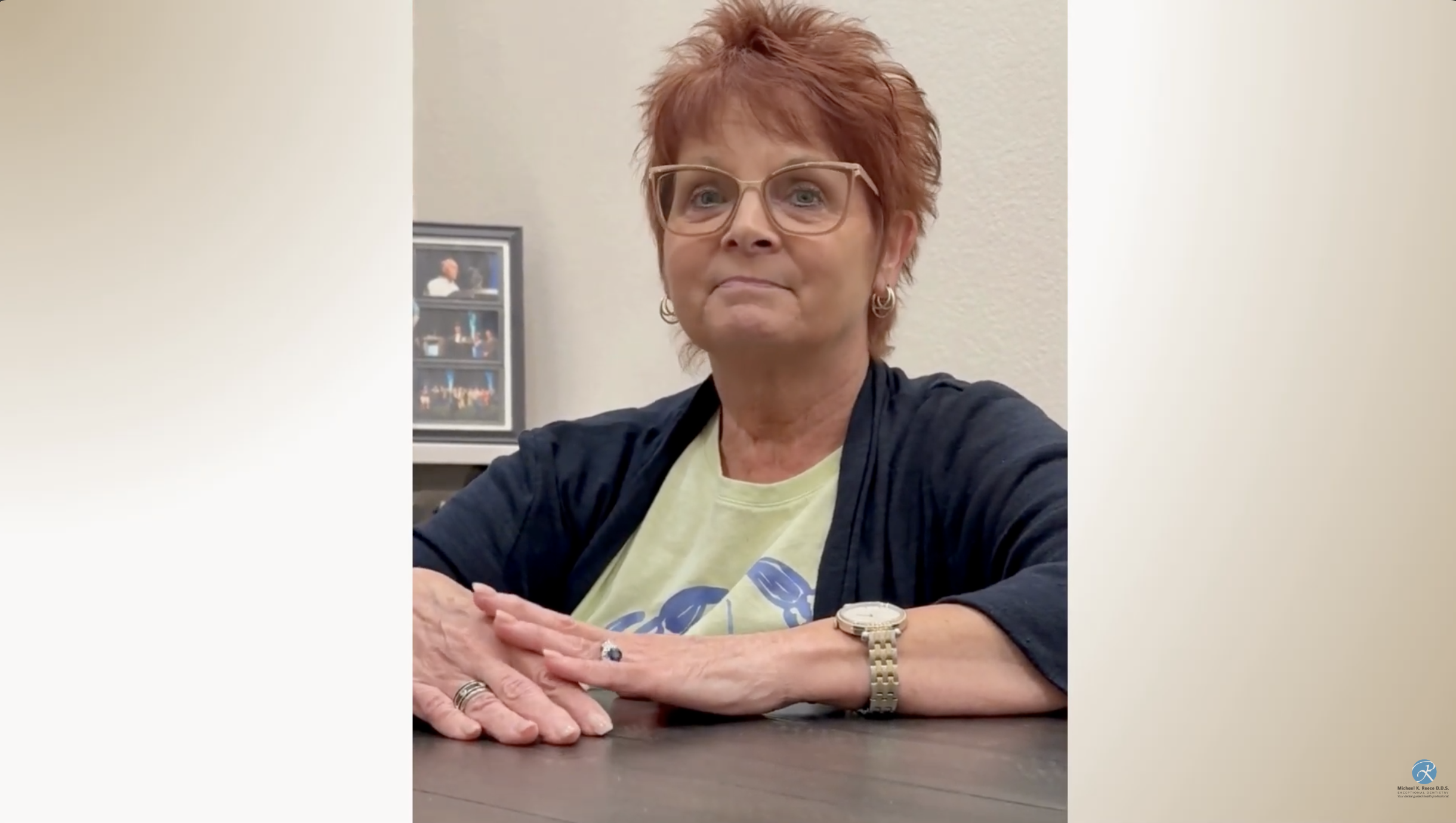
Lawanna had severe TMJ problems and is doing great now after receiving treatment - listen to her story
Lawanna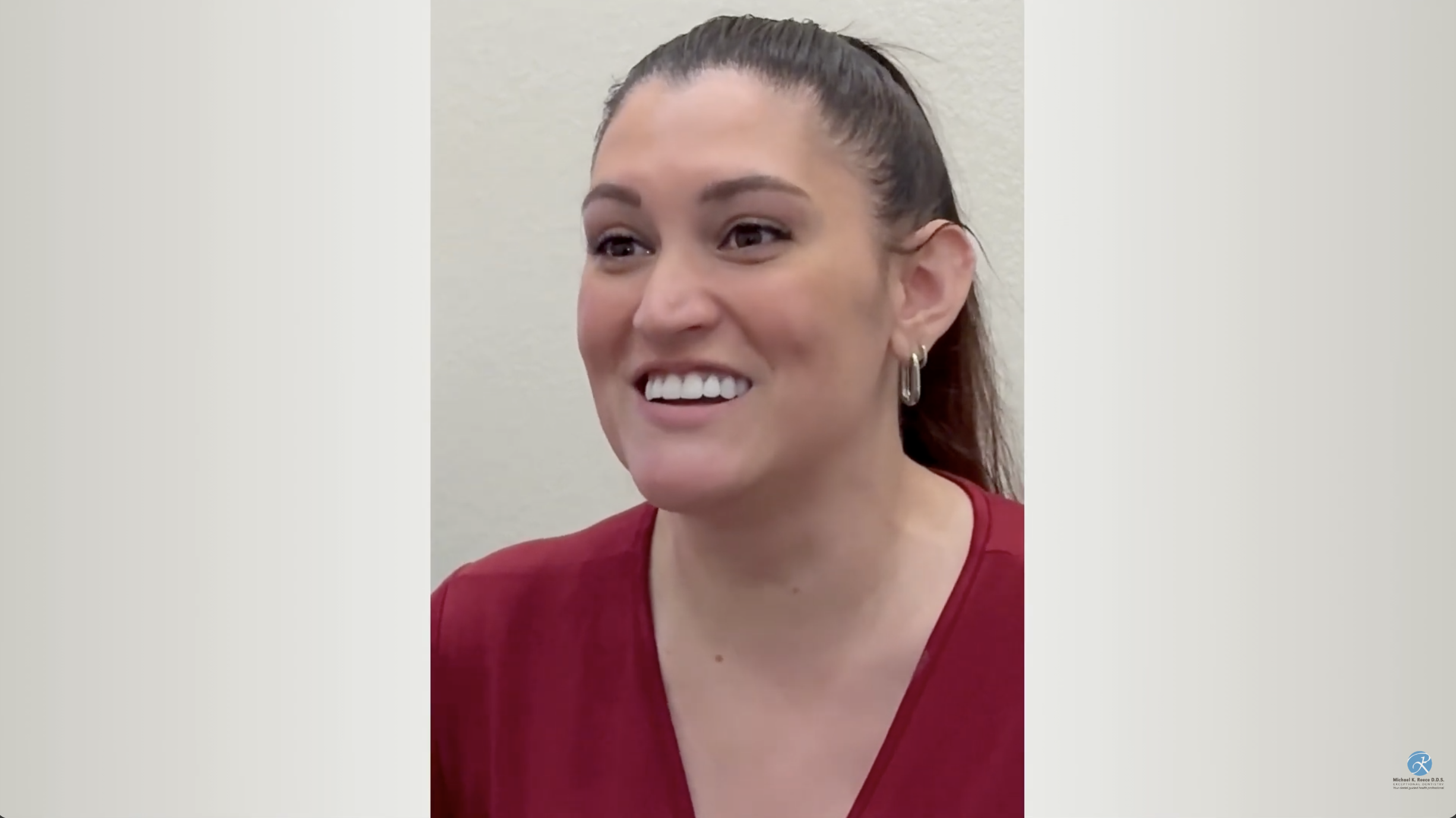
Elizabeth came in for jaw pain (TMD/TMJ) and left pain-free - listen to her story
ElizabethOur Patients Tell The Story Best

Daily headaches. Daily ibuprofen. Until a visit to Radiant Exceptional Dentistry helped uncover the real cause: TMJ.
PennyNormal TMJ Function vs. Disc Displacement
This animation illustrates how the temporomandibular joint (TMJ) is designed to function. In a healthy joint, the TMJ disc — a small cushioning pad shown in blue — stays positioned between the condyle of the lower jaw and the base of the skull. This disc acts like a shock absorber, allowing the jaw to open and close smoothly.
The animation also shows what happens when the disc is pushed too far forward. When this occurs, the cushioning pad is no longer positioned between the bones, which can cause the jaw to move improperly and the bones to rub together. This may lead to clicking, popping, discomfort, or limited jaw movement.
Get Pricing And Options For Treatment

Living With Chronic Head, Neck, And Facial Pain?
If you are living with chronic head, neck and facial pain, if you are taking more than 4 painkillers per week, if you have visited more doctors than you can count, the pain may not be in your head. Many times it is caused by a misaligned jaw, or a “bad bite”. We use the latest techniques to treat your pain without drugs by gently realigning the muscles and nerves in your Temporal-Mandibular Joint, or TMJ. This is a small joint that cause big problems when it is out of place.

What A Bad Bite Is Doing To You
Temporomandibular Joint (TMJ) Treatment

The temporomandibular joints are small triangular-shaped joints located immediately in front of your ears. Clenching or grinding your teeth at night inflames the nerves and muscles associated with these joints. A poor bite (malocclusion) can place undue stress on the TMJs, causing facial muscles to strain in order to hold the jaw. While studies indicate TMJ disorders affect 10–15% of adults, only 5% seek treatment. The incidence peaks between ages 20 to 40 and the disorder impacts twice as many women as it does men. TMJ disorders and headaches are closely related pathologies, with an estimated 67–75% of TMJ patients experiencing headaches. TMJ symptoms including migraines, episodic tension-type headaches, and chronic daily headaches that can range from mild to debilitating. Other common symptoms include jaw discomfort, soreness and limited function; pain radiating from behind the eyes to the face, shoulder, neck or back; and earaches or tinnitus (ringing in the ears).
It Is Estimated That 45 Million Americans Suffer From Chronic Headaches
That equates to 1 in 6 Americans. Chances are you know someone that is one of these sufferers (if not you). At least half of the people have headaches so severe that is can be disabling and affect their lifestyle.
This Can Also Be Costly
• Chronic headache victims make over 8 million doctor visits per year
• Migraine sufferers lose over 157 million workdays per year
• Economic costs of lost time due to migraines is staggering

Find Headache Relief
with Dr. Michael Reece and Dr. Ryan Jouett